Why Do Singers Use Microphones? – On Stage And For Recording
When we watch a live performance or listen to a studio recording, one thing is almost always present — the microphone. For singers, microphones are more than just tools to make their voices louder. They play a vital role in shaping the sound, ensuring clarity, and allowing the audience to connect with the performance. But why exactly do singers use microphones? Let’s break it down.
There are a few brands that are well-known for their vocal microphones.
Shure
Neumann
Sennheiser
Rode
AKG
Danish Pro Audio (DPA)
Electro-Voice
In reality, the best microphone is the one that works the best for what you need it for. Thousands of people can rate a microphone incredibly high, but it may not be the right choice for you as a vocalist.
Table of Contents
Amplification for Live Performances
The most obvious reason is volume. Human voices, no matter how powerful, cannot compete with the sound of a full band, orchestra, or even the natural noise of a large audience. Microphones allow singers’ voices to be amplified through loudspeakers, ensuring that every person in the audience — from the front row to the back of a stadium — can clearly hear the performance.
Capturing Nuance and Emotion
Singing isn’t just about loudness. It’s about expression — soft whispers, gentle vibrato, or dynamic changes that make a song emotionally powerful. A good microphone can capture these subtle details, which might be lost in an unamplified performance. This is especially important in genres like jazz, ballads, or acoustic music where dynamics play a key role.
Consistency in Sound
Every venue has different acoustics. Some spaces are naturally loud and reverberant, while others are dry and flat. Using a microphone ensures that the singer’s voice has consistency, regardless of the room’s acoustics. With microphones and sound engineering, the voice can be EQ’d, compressed, and balanced to blend perfectly with the music.
Freedom of Performance
Microphones also give singers freedom on stage. Instead of straining their voice to be heard, they can focus on performance — moving around, interacting with the audience, and even dancing. With wireless microphones, modern performers can roam the entire stage without being tied down, making live shows more engaging.
Recording Precision in the Studio
In recording studios, microphones are essential for capturing sound with high precision. Different microphones are chosen depending on the tone desired — a warm condenser microphone for pop vocals, a dynamic microphone for rock, or even ribbon microphones for vintage character. They allow producers and engineers to sculpt the vocal sound with incredible detail, making studio recordings polished and professional.

Protecting the Singer’s Voice
Without microphones, singers would have to project their voices at maximum power, especially in large venues. Over time, this could strain or even damage their vocal cords. By using a microphone, singers can perform comfortably and safely while still being heard clearly.
Special Effects and Creativity
Microphones also open the door to creativity. They allow for effects such as reverb, delay, distortion, or auto-tuning. These tools help create unique vocal textures, turning the voice into an instrument that can adapt to different musical styles and genres.
Things you want to look for in a microphone are
Sensitivity
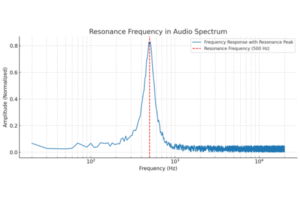
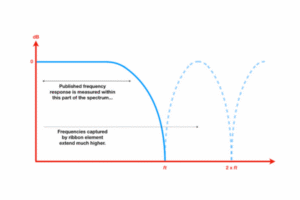
Frequency response
Cost
Directionality (polar pattern)
Robustness
Appearance
Fidelity
Conclusion
Singers use microphones not just to be louder, but to preserve the emotion, clarity, and beauty of their voices. Whether on stage in front of thousands or in a quiet recording booth, microphones bridge the gap between the performer and the listener. They make performances more powerful, recordings more precise, and singing itself more sustainable.
In short: Microphones are the singer’s partner — helping them amplify, protect, and express their voice to the fullest.